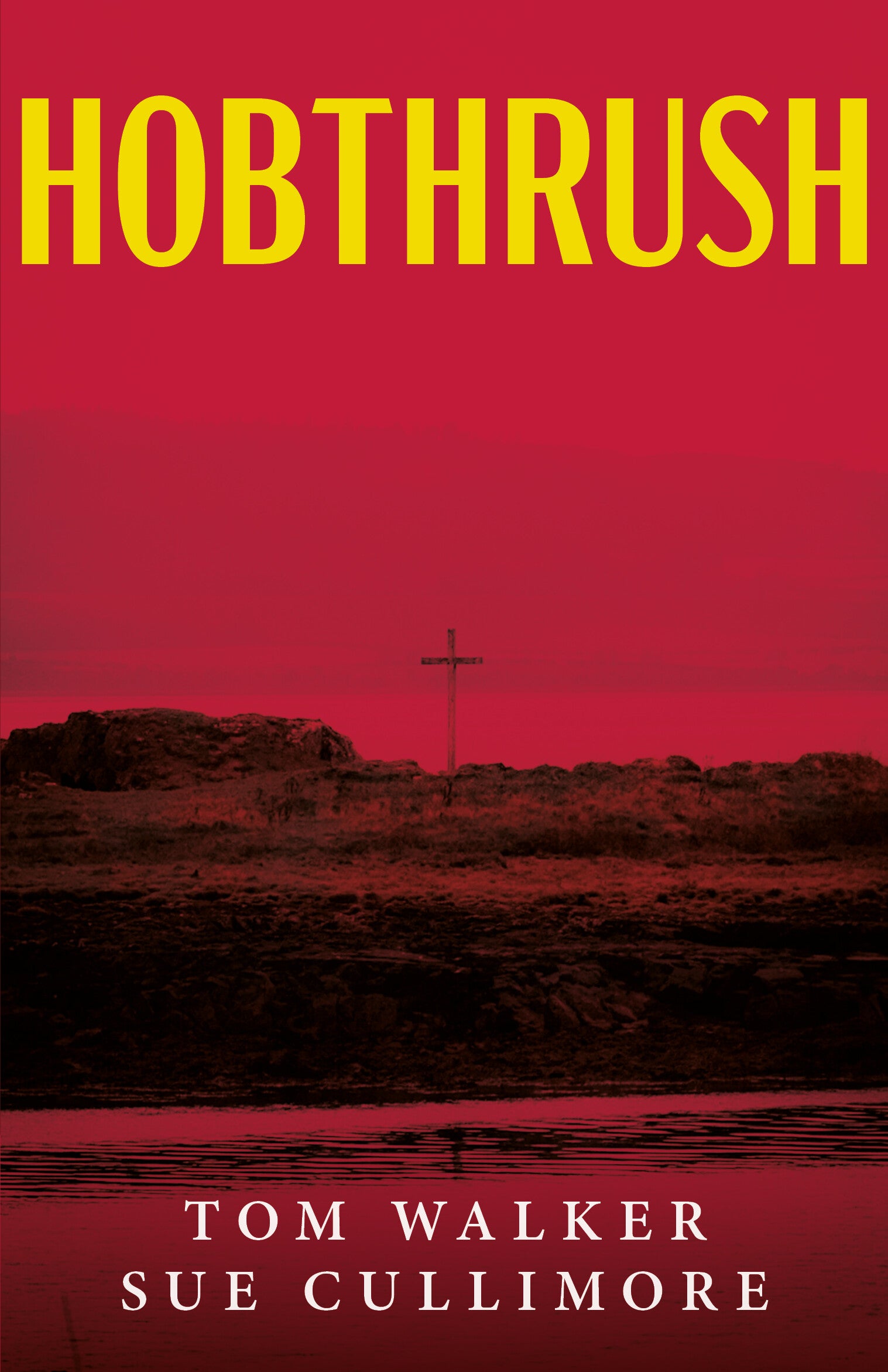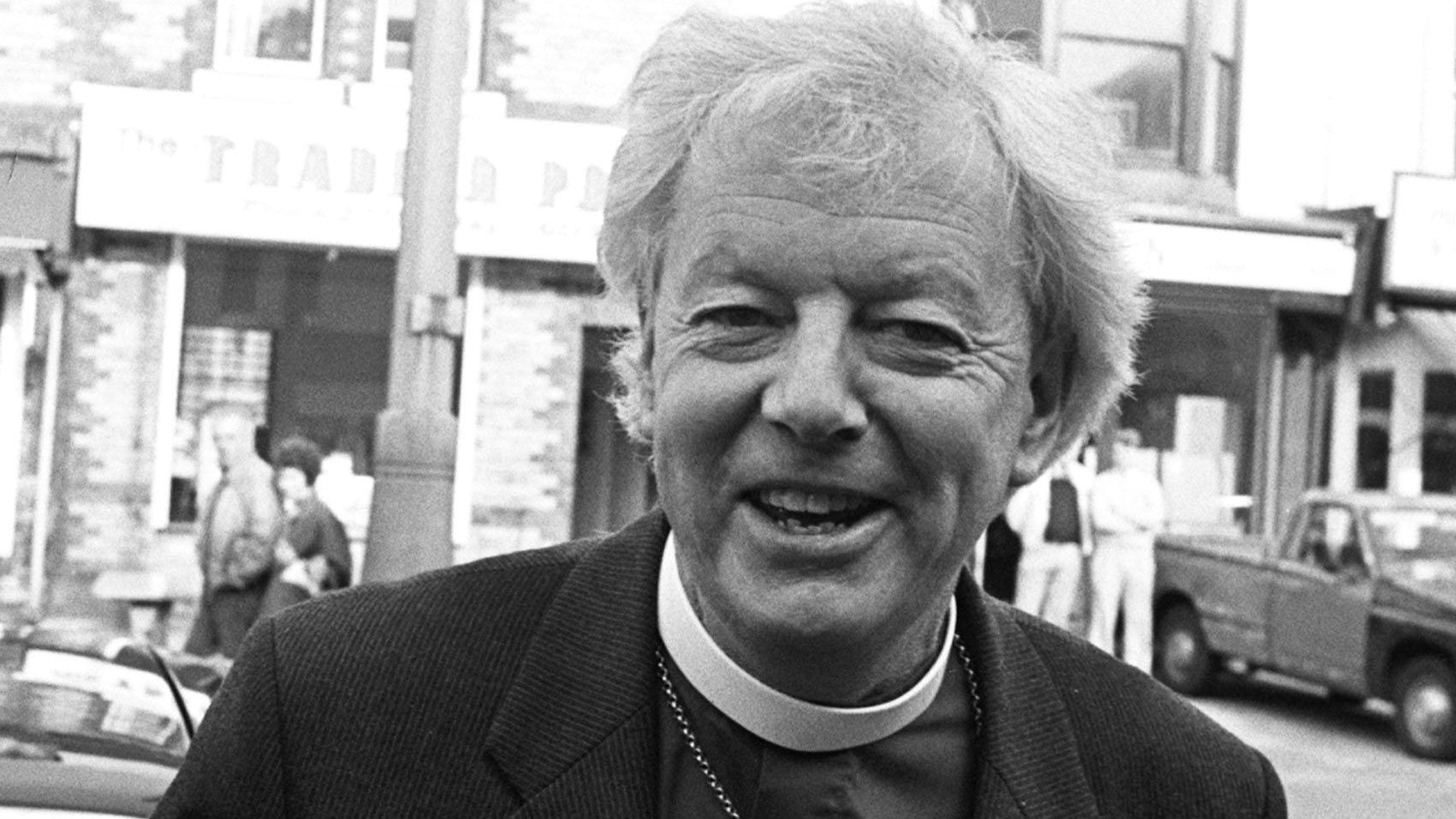
Hobthrush is a remarkable father-daughter collaboration. In this blogpost, Sue Cullimore writes about a surprising discovery when clearing her parents’ house and about writing a novel with her late father, Tom Walker.
I found the typed text for Hobthrush in a drawer in my parents’ house in Ryton, on Tyneside, as I was clearing it in 2011. It had been written by my father, Tom Walker in the late 1980s and early 90s. The original title was The Flight of the Sparrow but later I decided that something shorter and, well, different, was needed, although the reference to Bede was apt.
My parents had both moved to a care home in Newcastle in 2010. I knew that my father had written at least one novel, as well as plays, articles and poetry. Sadly, this book is all that remains of his writing. I left home in 1972 for university, after which I settled in the South West of England, so wasn’t around when he was writing this.
Writing was something Dad had always done, usually late at night after Mum and I had gone to bed. I remember reading parts of this novel during a visit to Ryton at least 35 years ago, but had forgotten all about it, too distracted by my own concerns, my work and family life in Bristol.
After bringing the typescript home with me much later, in the throes of the trauma of having two infirm and needy parents 300 miles away in a care home, I put it away, promising myself that I would read it properly one day. I was afraid that it would stir poignant memories of my dad, for whom I was still grieving. He’d had a catastrophic stroke in 2002 which paralysed his right side and deprived him of speech. He died in 2013 and Mum in 2022.
Around 2021, during lockdown, I came across the typescript on a shelf at home in Bristol and it felt like the right time to look at it again. I began to read it, and was immediately hooked. I knew it had potential, but it was peppered with handwritten corrections and additions by Dad. I soon realized that these would need to be sorted out if anyone else was going to read it. This had been on my mind for a while, and after a chance conversation with an IT-savvy friend who offered to help, I realized I could get it optically read and digitized to enable me to edit it.
My work to prepare the book in its present form then began, firstly by editing the layout and then by attempting to make changes and additions to the text which might help the contemporary reader to follow the narrative more easily.
It is now, of course, very much a historical novel, rooted in the politics and culture of the 1980s. Consequently, some of the tone and language of the original text seemed too obscure or dated to leave as they were. The fact that Dad wasn’t around to argue his case made it easier to edit his book, although there were many occasions when I would have loved to be able to talk to him about it. But it liberated me to make decisions about changes to names, expressions and dialogue and to add extra passages or sentences where it might help today’s reader to understand the plot better, for example around contemporary events.
I made the female characters stronger and better defined (especially the one who was clearly based on me!). I deleted some sections which seemed confusing or just unnecessary. The essential 1980s flavour of the book remains strong, however, not only in the socio-political setting but also in cultural details like clothing, vehicles and social attitudes.
At first, I found the mystical theme around St Cuthbert difficult to reconcile with the other parts of the narrative, until I realized this was an allegorical tale, with a deeply felt philosophical undercurrent. It all began to make more sense.
I rewrote the final chapters and used fictitious newspaper articles to tie up some loose ends (with the help of my journalist husband). A retired publishing editor friend was very generous with her time, reading two drafts and offering some excellent advice, especially about the structure of the novel.
The most amazing thing was that I found I could write more or less in my father’s style and channel his voice in the passages where I developed his original narrative with additional writing of my own. I actually can’t now remember what is his original writing and what is mine. This was a very special way of connecting with him, well over ten years after his death. I think he would be very pleased and proud that we got it published together.
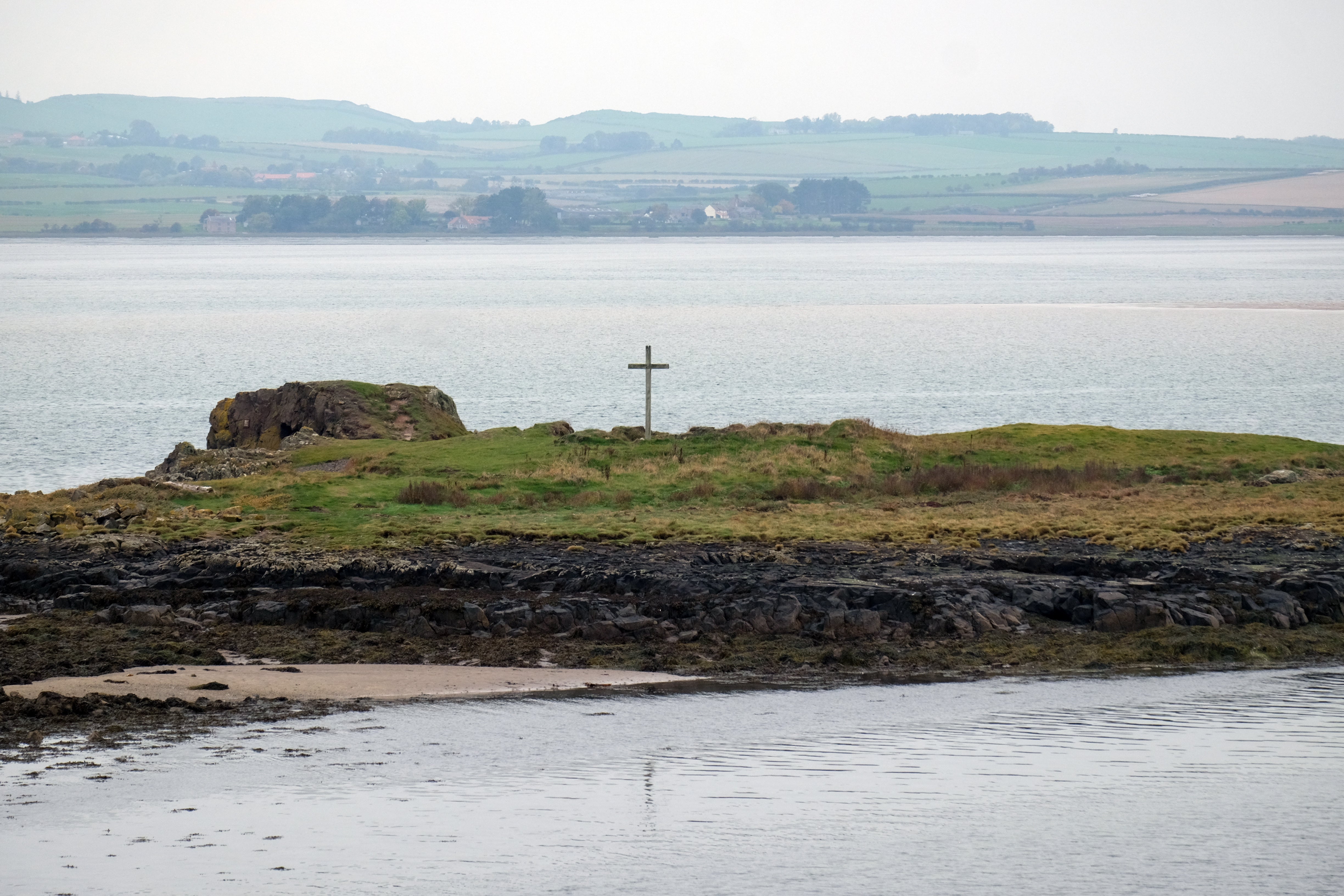
Photo © Tim McGuiness